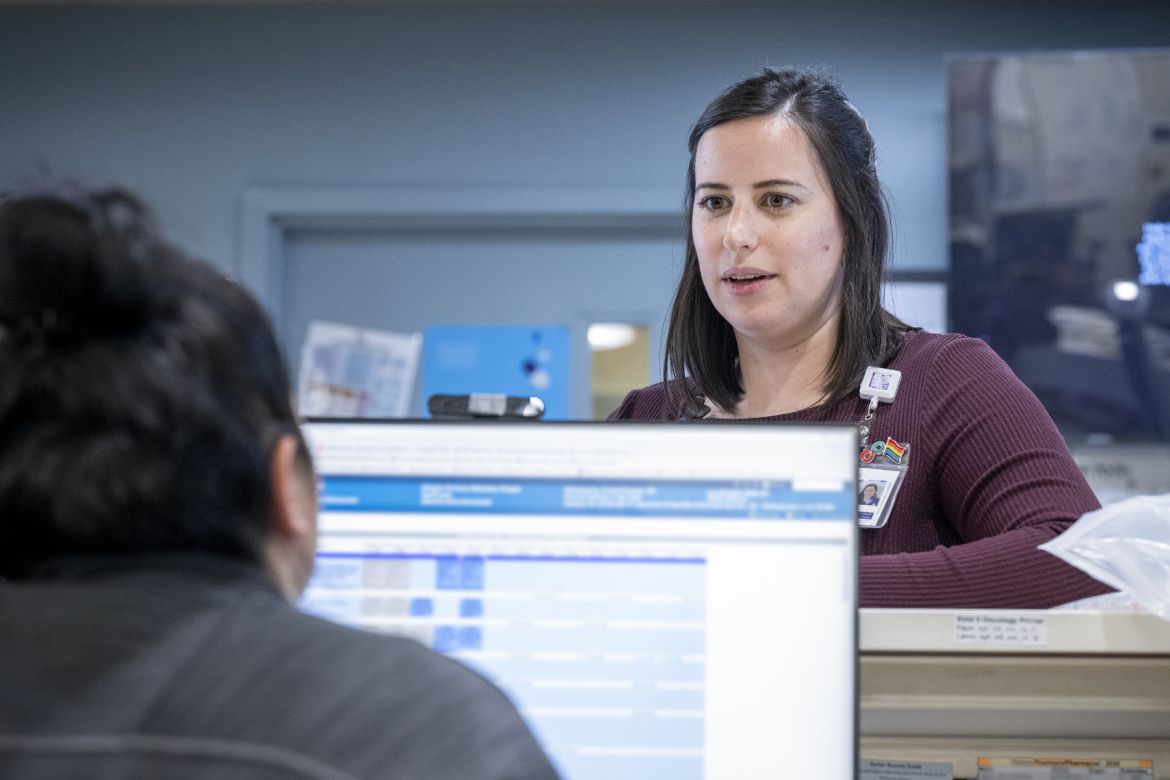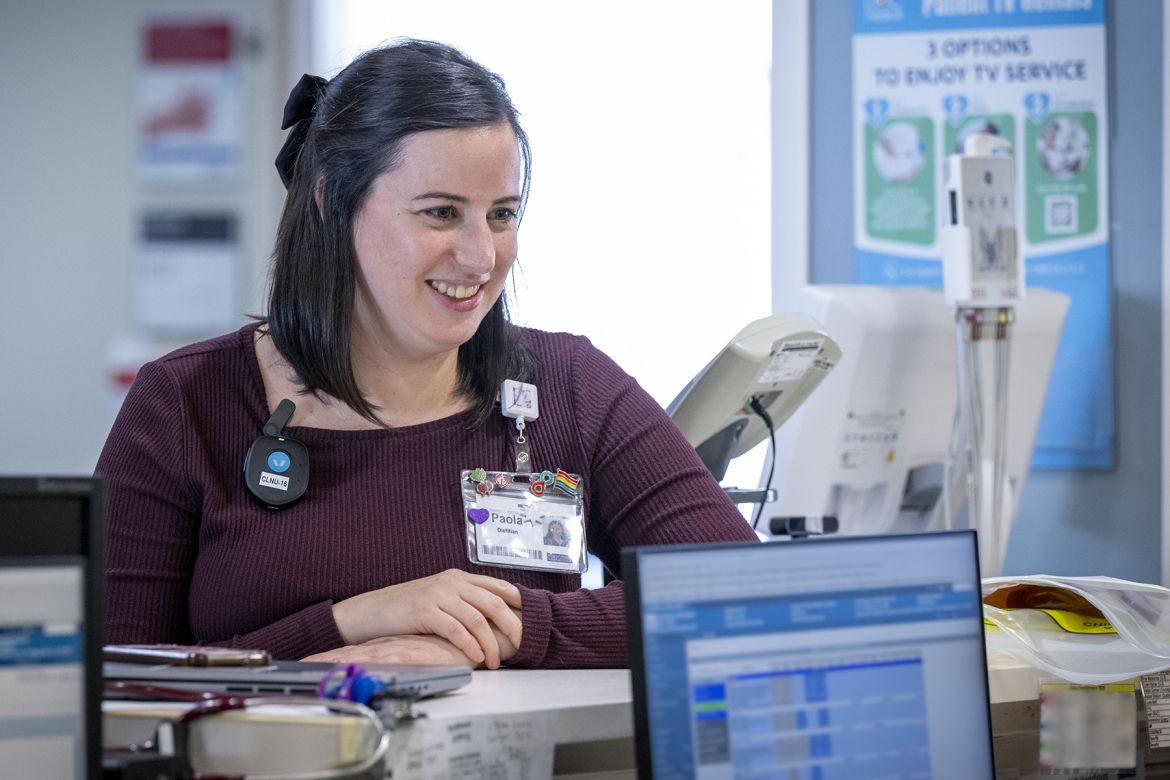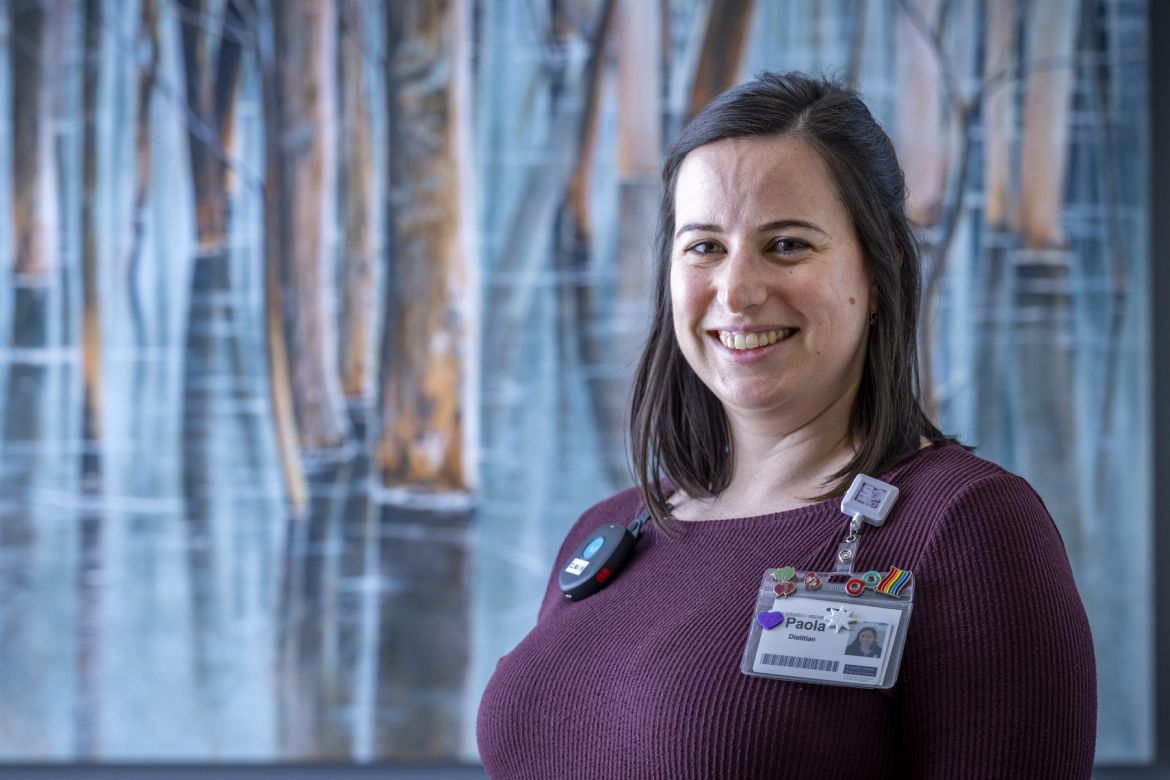

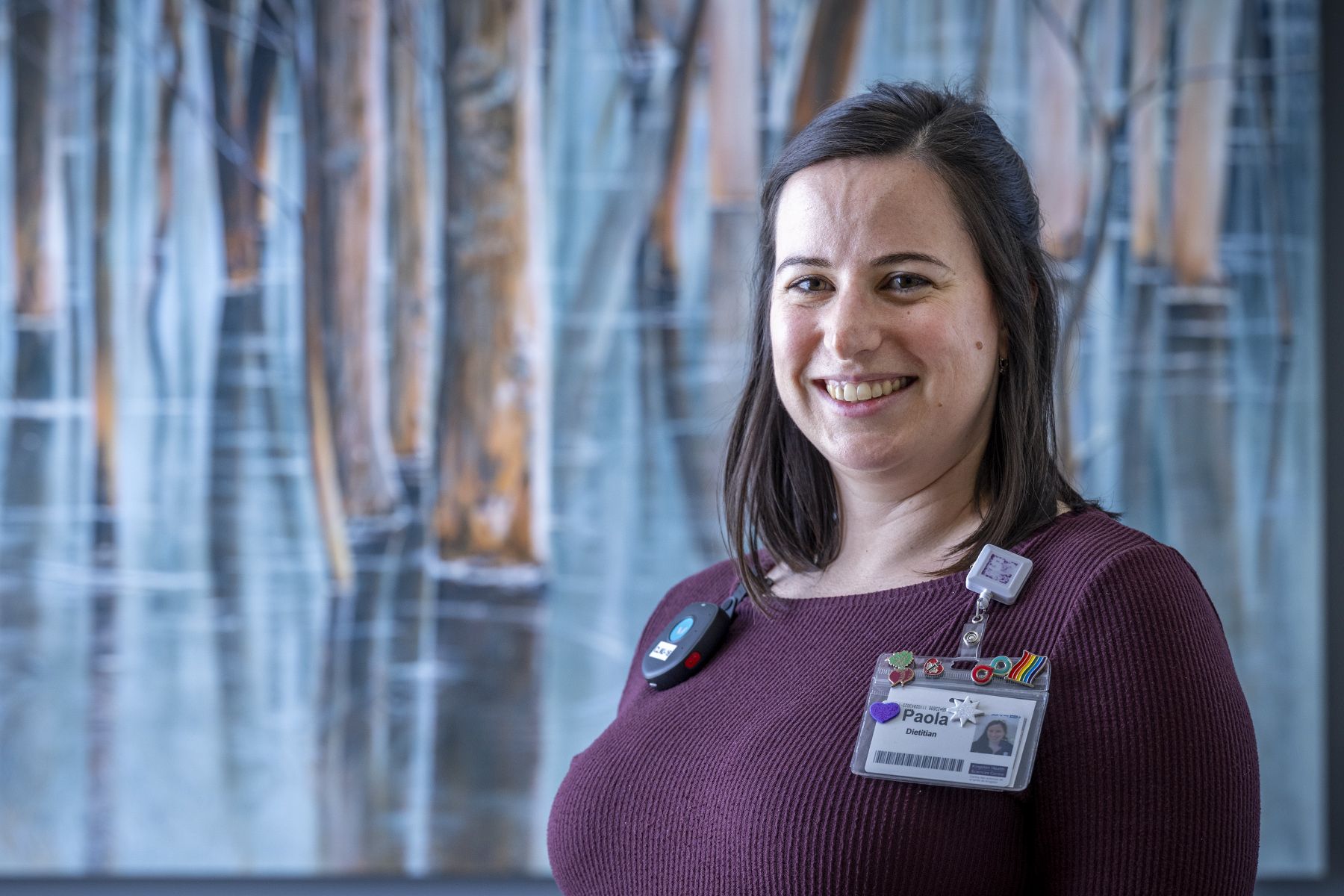
For Paola Hunter, nutrition isn’t just about food — it’s about helping patients keep their strength during some of the hardest moments of their lives.
A dietitian with Kingston Health Sciences Centre’s (KHSC) oncology program, her work spans the pediatric oncology clinic, inpatient care on Kidd 9 and specialized programs like stem cell transplant and CAR-T therapy.
It’s a challenging role, but at its heart, it’s about meeting patients where they are.
“A lot of people think a dietitian is going to tell them what they can’t eat, but in reality, it’s about making sure they're getting nutrition to support their treatment.”
Side effects can make eating difficult and Hunter’s role is to help patients maintain their strength and nutrition so they can get through their cancer treatment.
“A big part of my job is just helping people eat something and, in oncology, the goal is often to keep your energy up. So, I don’t tell people to avoid eating donuts,” she jokes, “I tell them to at least try for a Boston cream, since it’s got the most protein.”
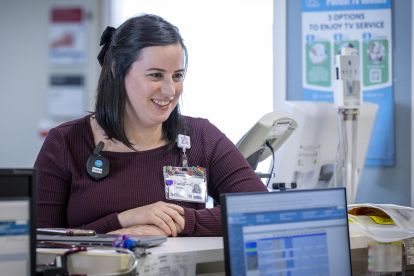
While nutrition advice is often portrayed as rigid, hospital dietitians focus on understanding each patient’s journey. That practical, tailored approach is one of the reasons she loves her work.
As KHSC marks Nutrition Month, Hunter says the theme “Nourish to Flourish” reflects exactly what her work is about.
In pediatric oncology especially, she supports the same patients for many years.
“You really get to see them grow up,” she says. “There are kids I met when they were two who are now eight and still coming to clinic. You build relationships with families and see the difference you can make.”
Over the years, she’s been part of many of those journeys.
Where culture, science and purpose meet
Hunter’s path began with a mix of culture and science.
“I’m Italian, so food was always a big part of my life,” she says. “I grew up cooking and spending time in the kitchen.”
Her family has deep roots in the sciences, with a biochemist father, a cancer researcher sister and another sister with a masters in neurosciences. Initially, Hunter thought she might pursue research.
“But I realized I wanted to help people more directly,” she says. “That’s what led me to dietetics.”
A personal experience also shaped her perspective.
“My mom had colorectal cancer and passed away when I was in high school, and I think that experience shaped a lot of my interest in cooking and nutrition,” she reflects. “Looking back, I sometimes think about how helpful it would have been if my mom had access to a dietitian. She had a lot of symptoms during treatment, and I don’t think she ever saw one.”
Today, she sees that motivation play out in meaningful moments every day.
“In oncology, they ring the bell, or on Kidd 9 we have a big gong,” she says. “Even if I don’t know the patient, it makes me emotional every time it rings. They’re finally going home. It’s such a huge moment.”
And for Hunter, those moments — big and small — are what make the work meaningful.
“Sometimes nutrition is about the big picture of long-term health. But sometimes it’s just about helping someone eat enough so they’ve got the energy to get through treatment.”
Gallery